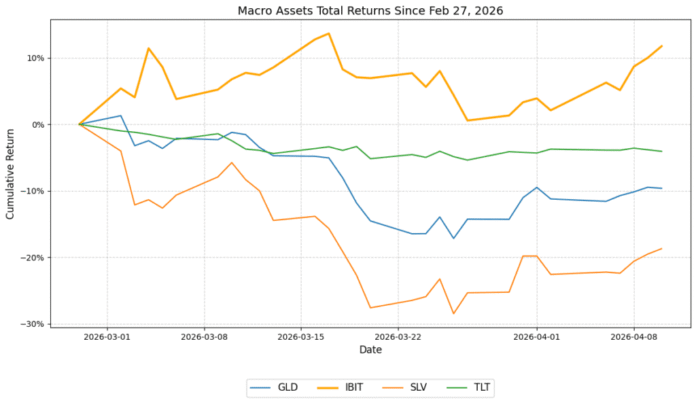
In a foundational move for institutional finance, TD Cowen, a division of TD Securities, has officially formalized a new investable equity category: Digital Asset Treasuries (DATs). This strategic shift, detailed in a report to investors, moves the conversation beyond simple price speculation and establishes a rigorous framework for valuing Public Bitcoin Treasury Companies (PBTCs), operating companies that actively manage Bitcoin as productive treasury capital.
For C-suites and institutional allocators, this represents more than just a bullish research note; it is the installation of the professional plumbing required to drive Bitcoin adoption across wealth management, investment banking, and enterprise services.
Shifting from proxies to operating companies
The report draws a sharp distinction between “passive” Bitcoin ownership and the active management found in the PBTC model with operating companies as an edge. While spot ETPs (Exchange-Traded Products) structurally lose Bitcoin over time due to management fees, well-run PBTCs are designed to deliver superior long-term exposure by:
- Compounding Bitcoin-per-share over generational timeframes.
- Accessing institutional leverage (convertibles, preferred equity) unavailable to individual investors.
- Exploiting capital-markets flywheel effects by issuing equity at a premium to NAV to accretively acquire more Bitcoin.
TD Cowen likens the difference to owning undeveloped land versus owning a company that actively develops that land.
A new set of KPIs to measure success
To drive institutional legitimacy, TD Cowen references financial framework consisting of specific Bitcoin-centric metrics designed for forecasting and risk management:
- BTC Yield: The cornerstone KPI measuring the percentage change in Bitcoin held per fully-diluted share. This moves the goalpost from “stock price” to “Satoshi compounding.”
- BTC Torque: A measure of forward earnings power, capturing the financial gearing associated with different capital structures.
- BTC Rating: A credit metric defined as BTC NAV divided by the notional value of a liability and all senior liabilities, allowing investors to assess asset coverage.
The Foundational Case: Parity with Digital Gold
TD’s thesis is rooted in the “Debasement Trade”—the loss of institutional trust in fiat currencies due to persistent fiscal largesse and debt sustainability concerns. As history suggests superior stores of value tend to replace inferior ones, TD Cowen argues that Bitcoin’s predetermined scarcity makes it the primary challenger to physical gold.
Their base case model suggests Bitcoin could reach a market capitalization of $8 trillion by 2035. Crucially, if Bitcoin reaches parity with the world’s physical gold stores, the bank models a price of approximately $1.1 million per coin (in 2026 dollars). Perhaps most significant for institutional risk committees is TD’s declaration that widescale global adoption is no longer a “black swan” or “tail-risk” event; it is now a structural expectation.
The “Bitcoin Bank” evolution
TD Cowen conceptualizes the industry’s evolution in two distinct stages:
- The Accumulation Phase: Currently ongoing, where firms focus on accretive acquisition.
- The Operating Phase: An inevitable transition where these firms become “Bitcoin Banks,” providing loans, custody, and investments denominated natively in Bitcoin.
As this framework matures, it validates a new generation of specialized vehicles including firms like Strategy (MSTR), Strive (ASST), and Nakamoto (NAKA), that combine discrete operating synergies with a conviction-led treasury strategy.
The first step toward universal adoption
By establishing this research approach, TD Securities is signaling that the era of “crypto as an experiment” is over. This report provides the metrics, valuation models, and credit frameworks necessary for Bitcoin to be integrated into the core of traditional finance. The plumbing is now installed for Bitcoin-native balance sheets to become a foundational component of the global financial system, and corporate balance sheets alike.
Disclaimer: This content was prepared on behalf of Bitcoin For Corporations for informational purposes only. It reflects the author’s own analysis and opinion and should not be relied upon as investment advice. Nothing in this article constitutes an offer, invitation, or solicitation to purchase, sell, or subscribe for any security or financial product.